
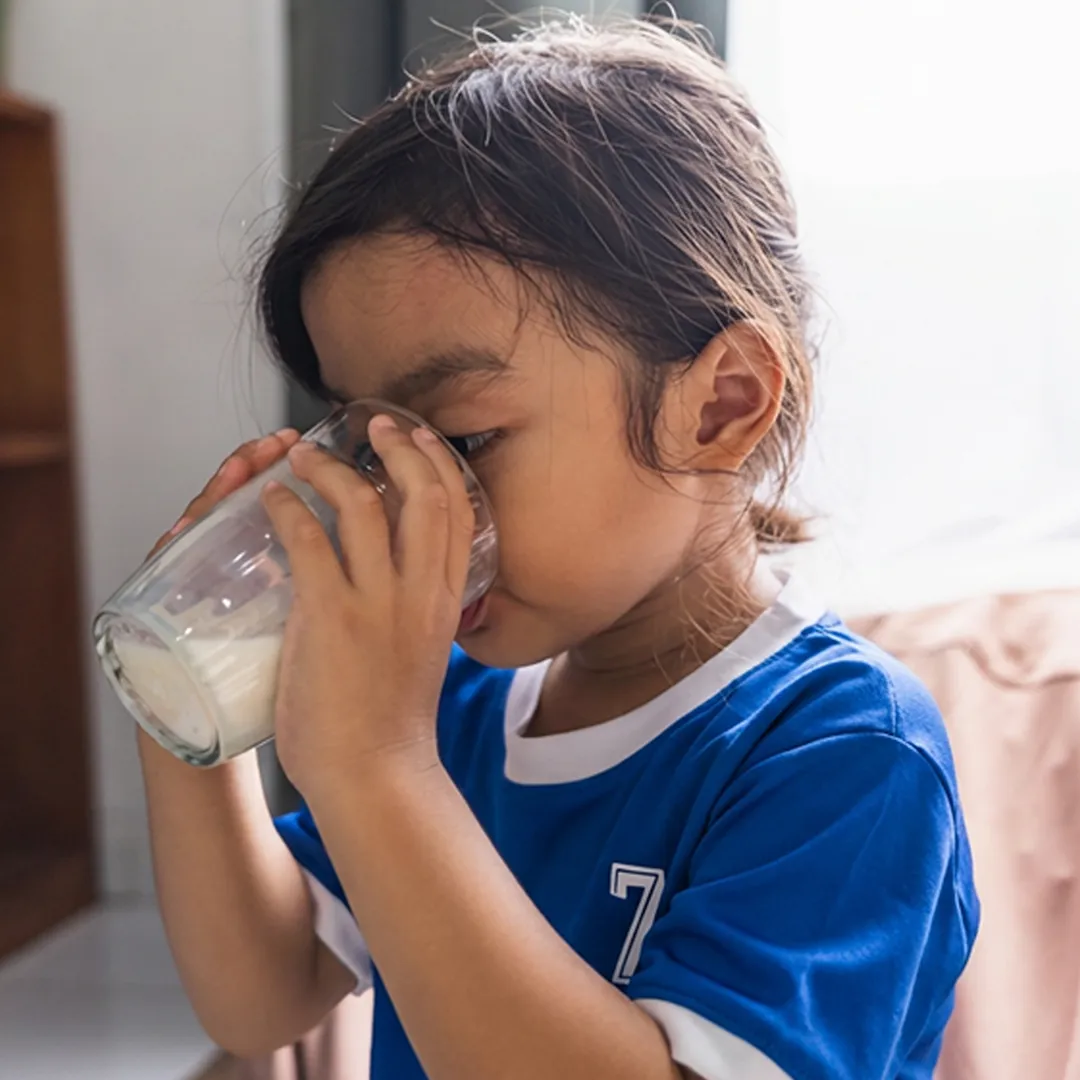
Dairy
Protein 101
Protein is an essential nutrient made up of amino acids that your body uses every day to build and repair muscle, support immune health, and keep you feeling satisfied after meals.

Protein is having a moment because it works
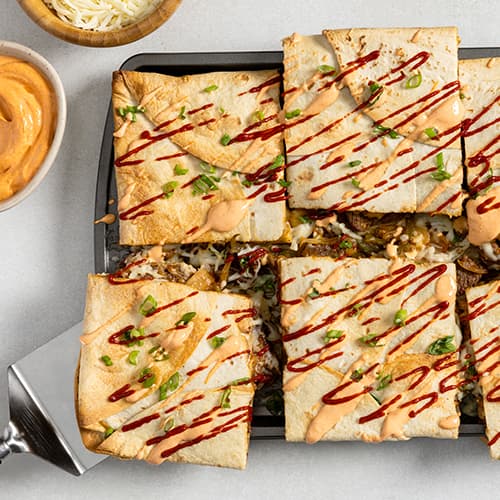
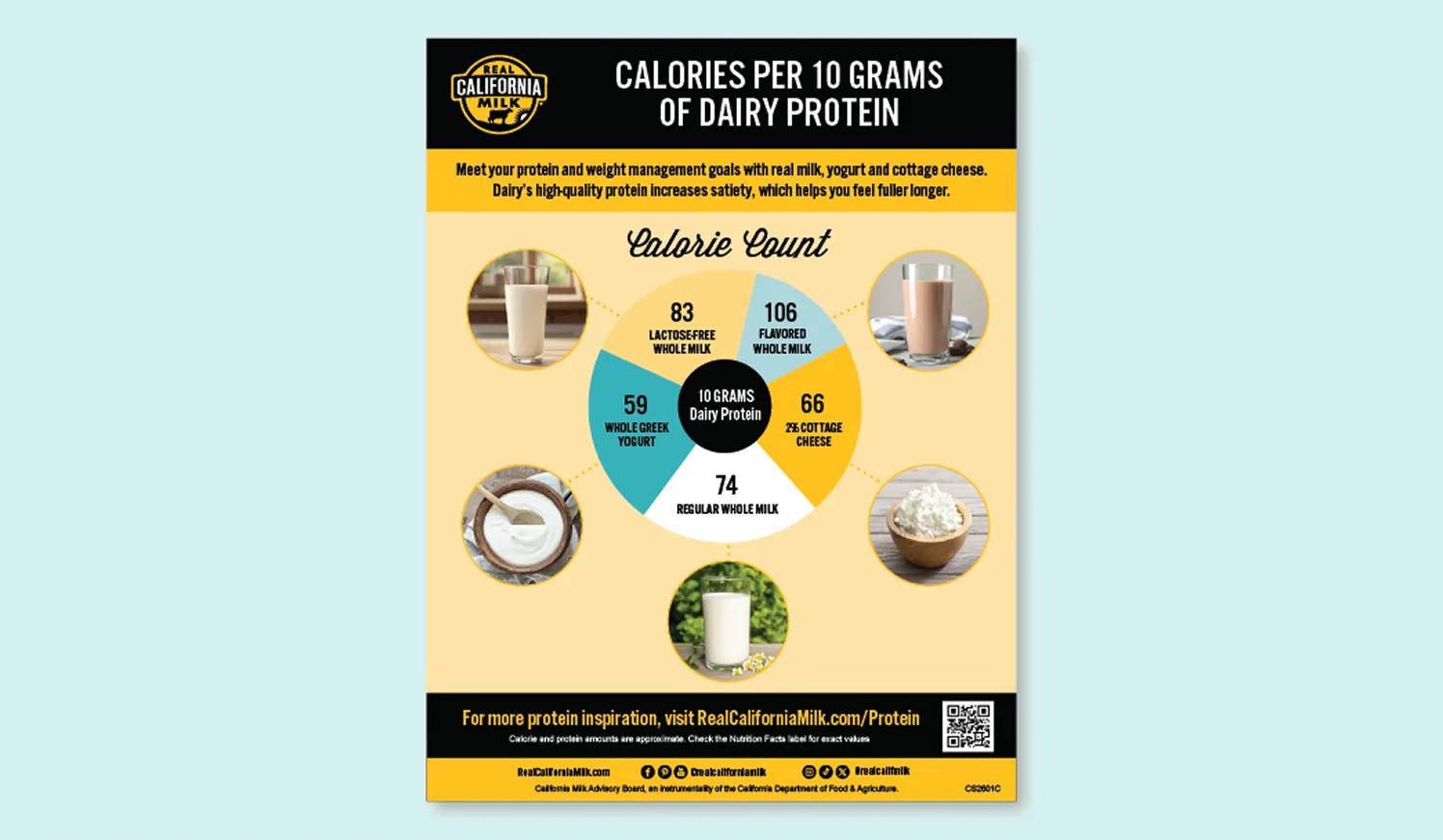
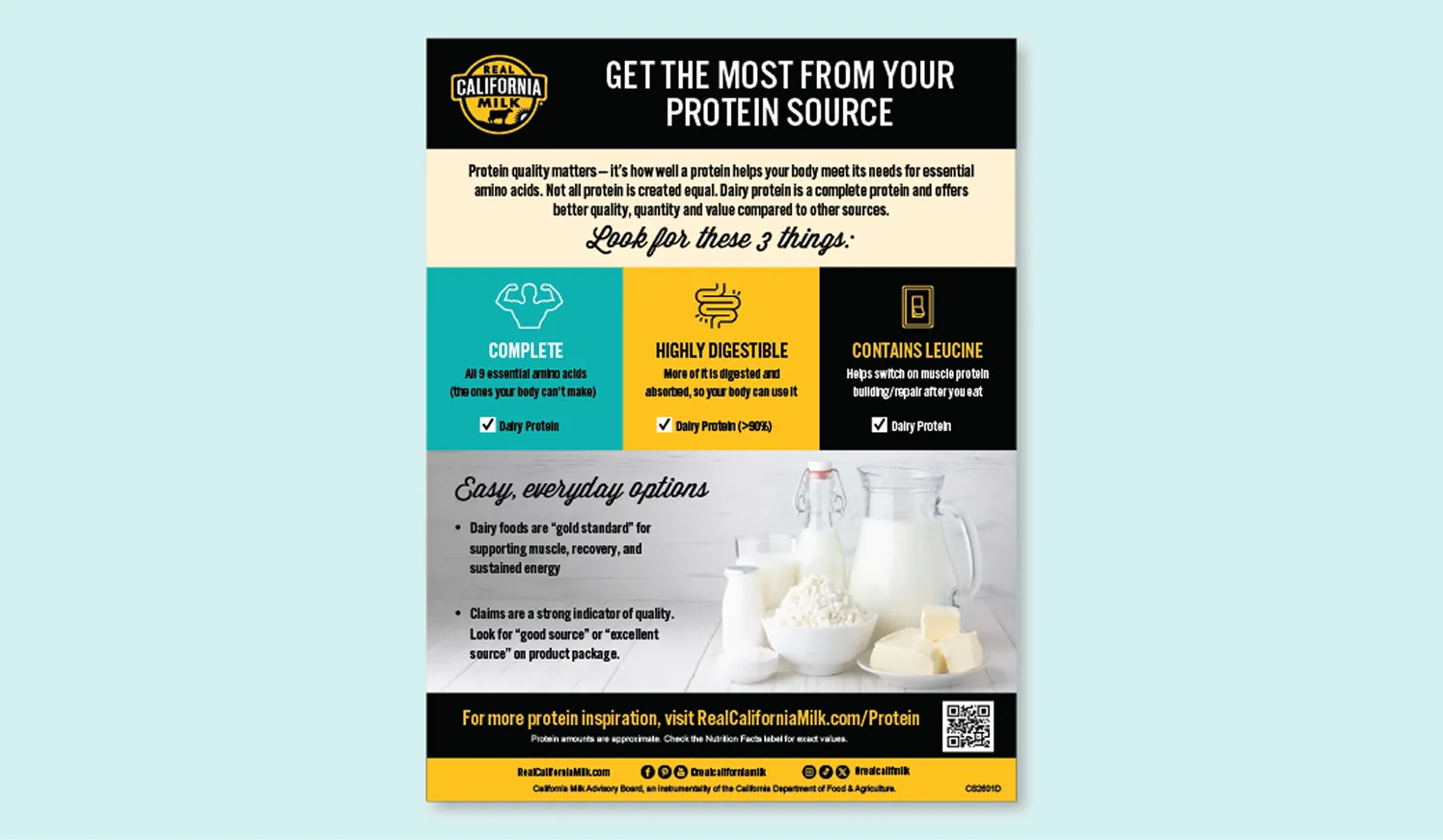
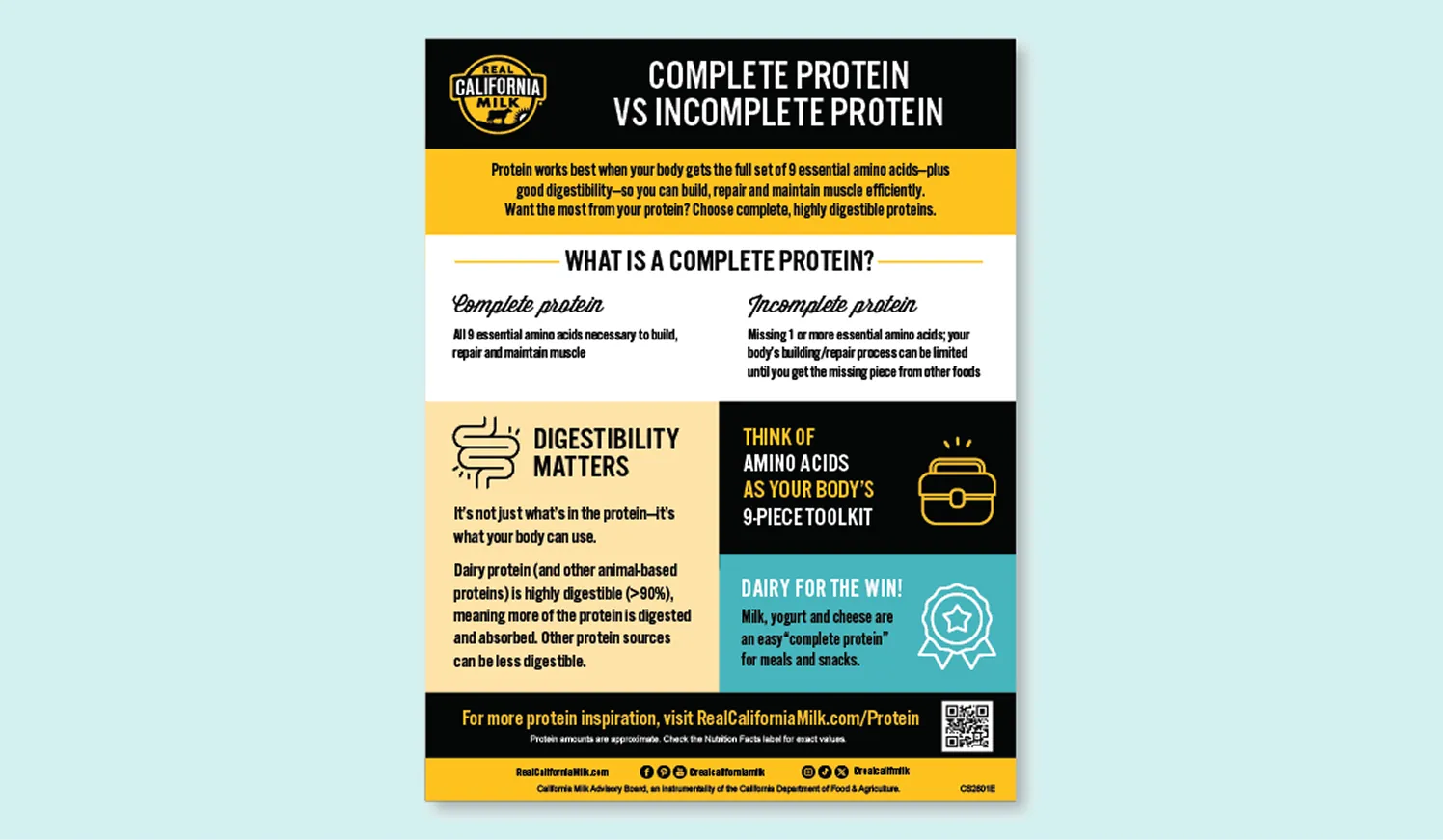
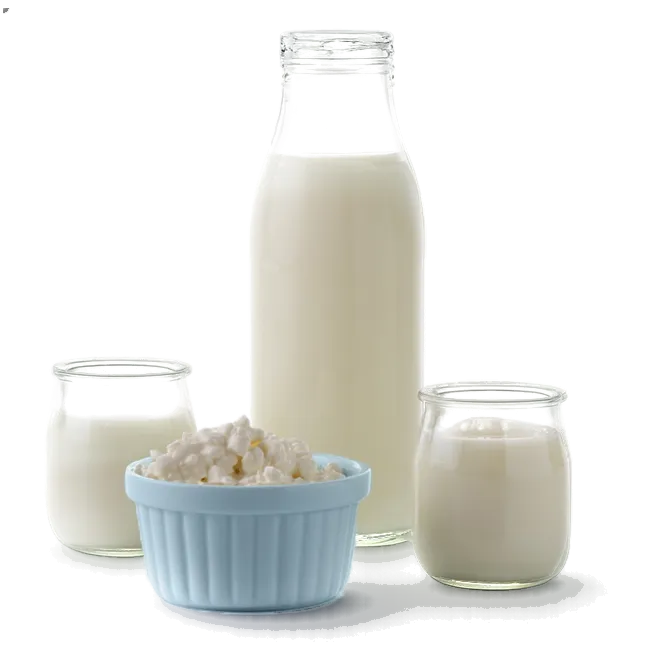
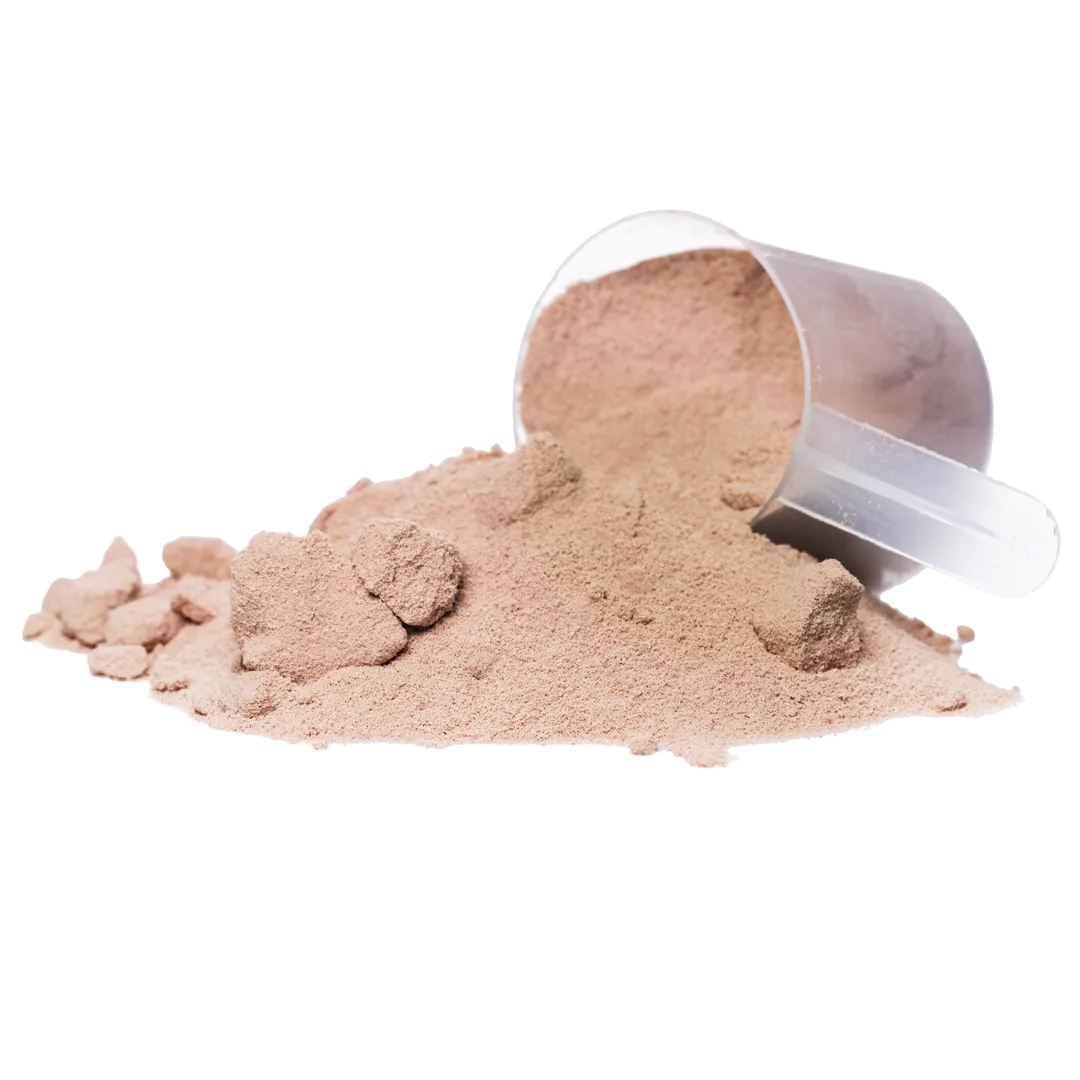
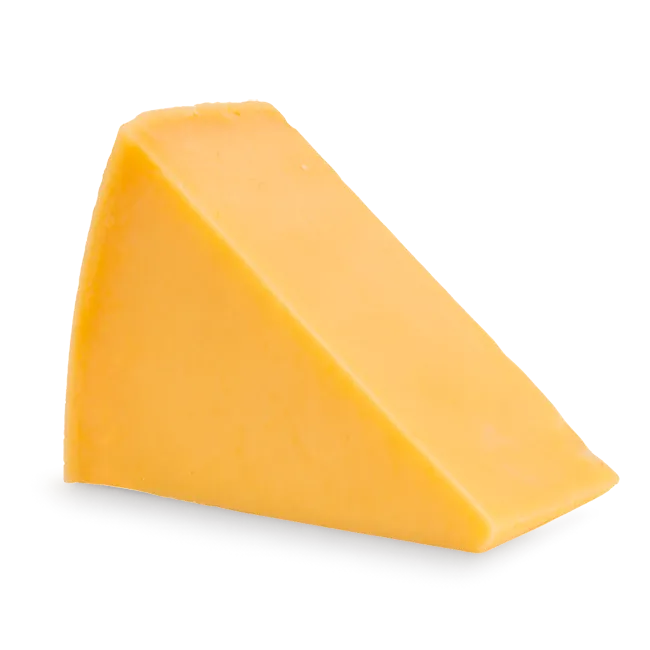
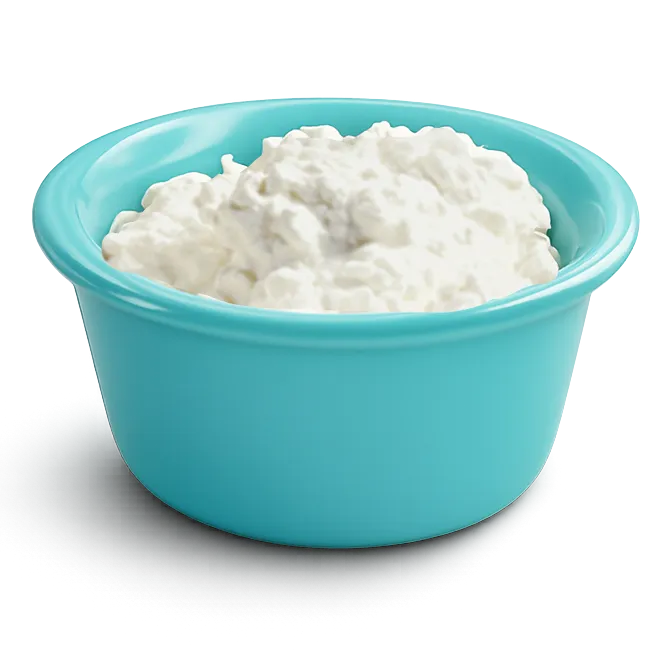
At every stage of life, protein plays a key role for energy, strength, healthy aging, and overall wellness. Here's the key: not all protein is created equal. Protein "quality" is about how well your body can use what you eat – especially the 9 essential amino acids your body can't make on its own. That's why dairy protein (from real milk) stands out: it's complete, highly digestible, and efficient for your body to use. And yes, protein can support fullness. Dairy's high-quality protein helps increase satiety (feeling fuller, longer), which can be helpful for weight-management goals, including those taking GLP-1 medications.

Protein
for every lifestyle*
Kids

Kids

Typical daily needs:

  • 1–3 yrs: 13g
  • 4–8 yrs: 19g
  • 9–13 yrs: 34g
  • 14–18 yrs: 46g (girls) / 52g (boys)
Adults

Adults

  • Healthy living: ~0.64g per pound of body weight/day
  • Weight management: ~0.73g per pound/day
Physically Active Adults

Physically Active Adults

(Especially with resistance training) 1.2–2.0 g/kg/day range

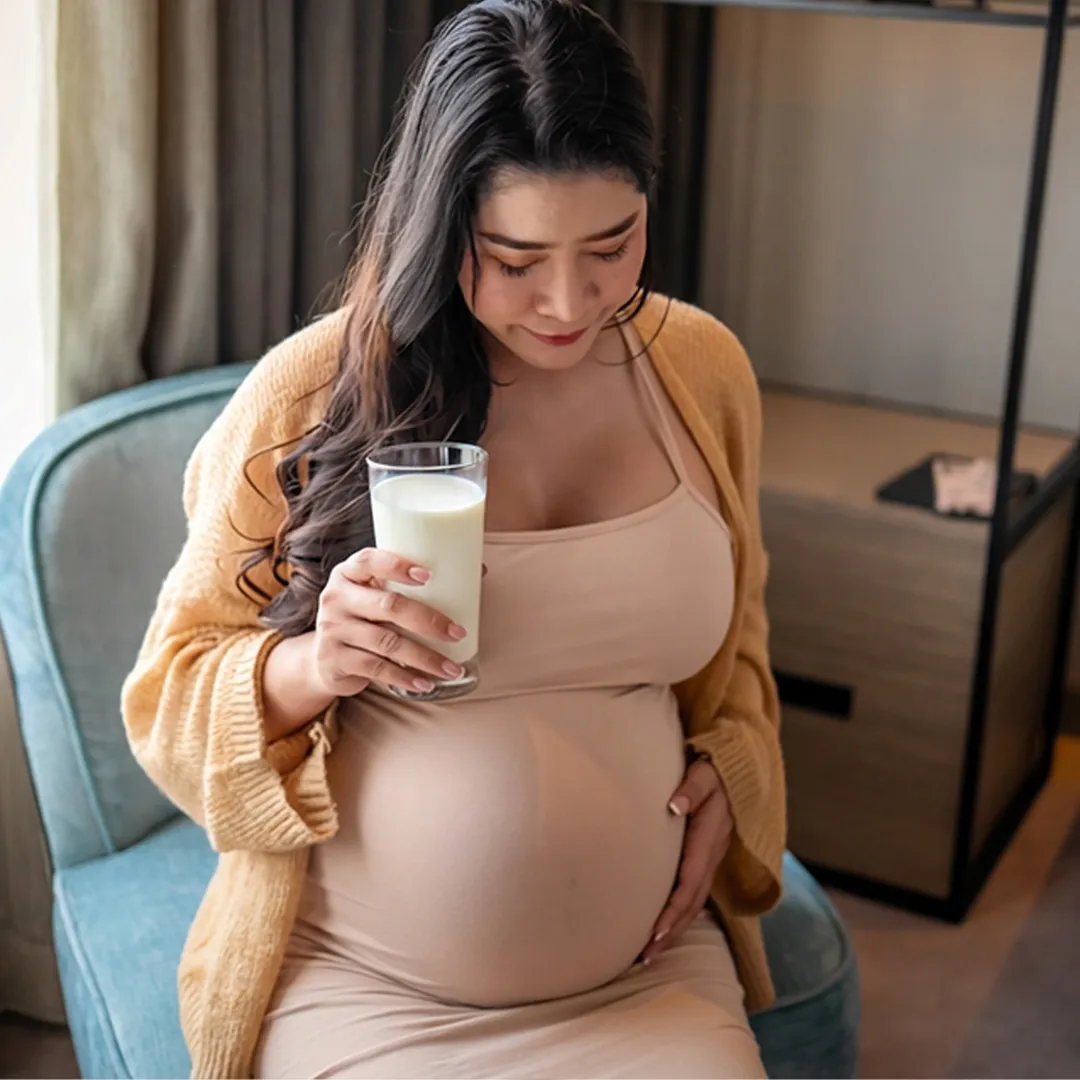
Pregnant/Breastfeeding

Pregnant/Breastfeeding

~71g/day, but may vary (check with your healthcare team)

Older Adults

Older Adults

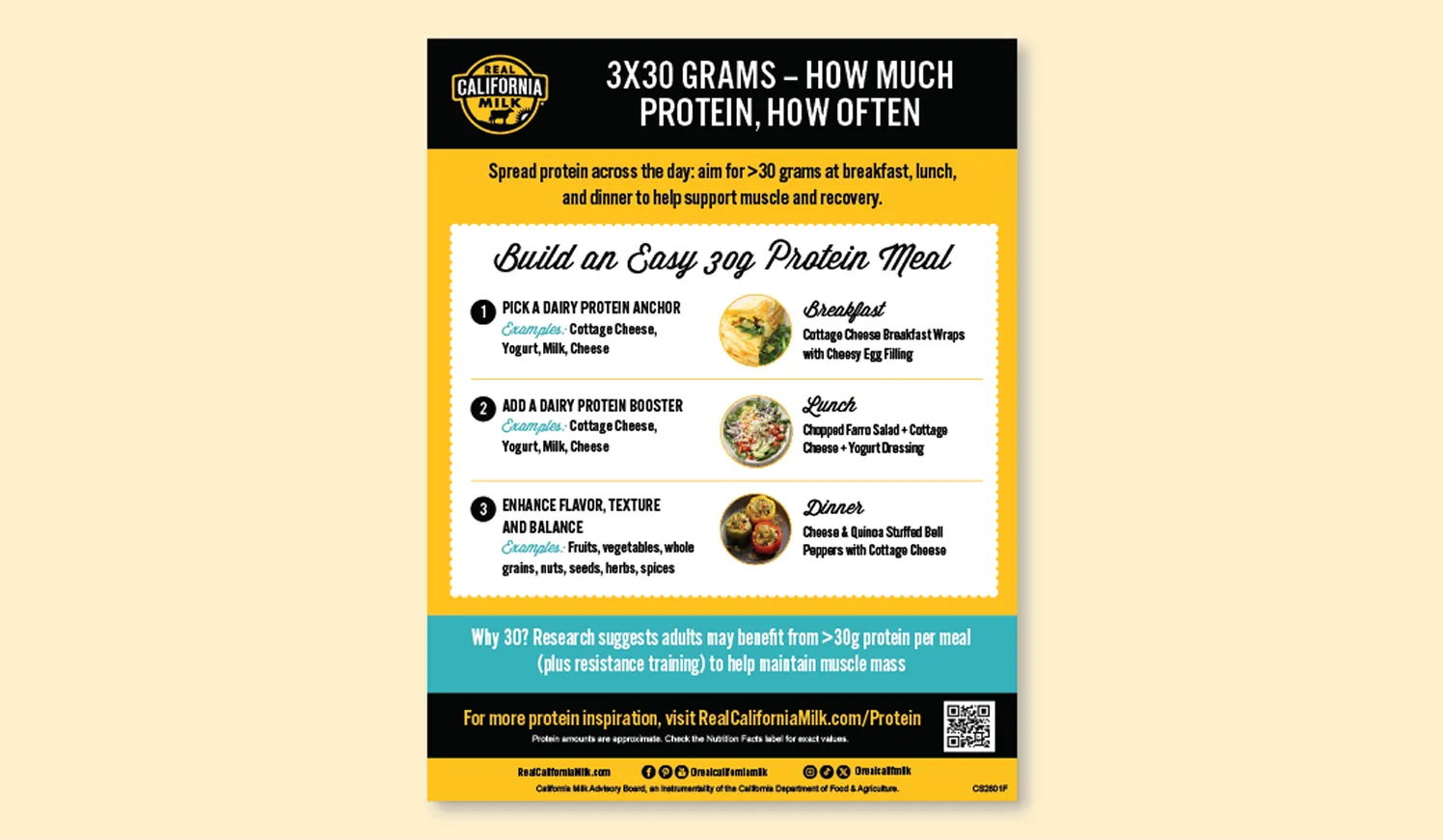
25-30g protein per meal

Compra productos de California

Busca el sello

A stylized image of a store cash register.

Busca

Busca en la sección de productos lácteos de tu supermercado local.
An image of the Real California Milk seal and a stylized image of a milk product.

Encuentra

Encuentra el sello de “Real California Milk” en todas tus marcas de lácteos favoritas.
A stylized image of a black shopping cart.

Compra

Compra productos con el sello para estar seguro de que estás consumiendo lácteos hechos con Real California Milk.
Dairy Protein
Resources
How to Choose the Most Beneficial Protein
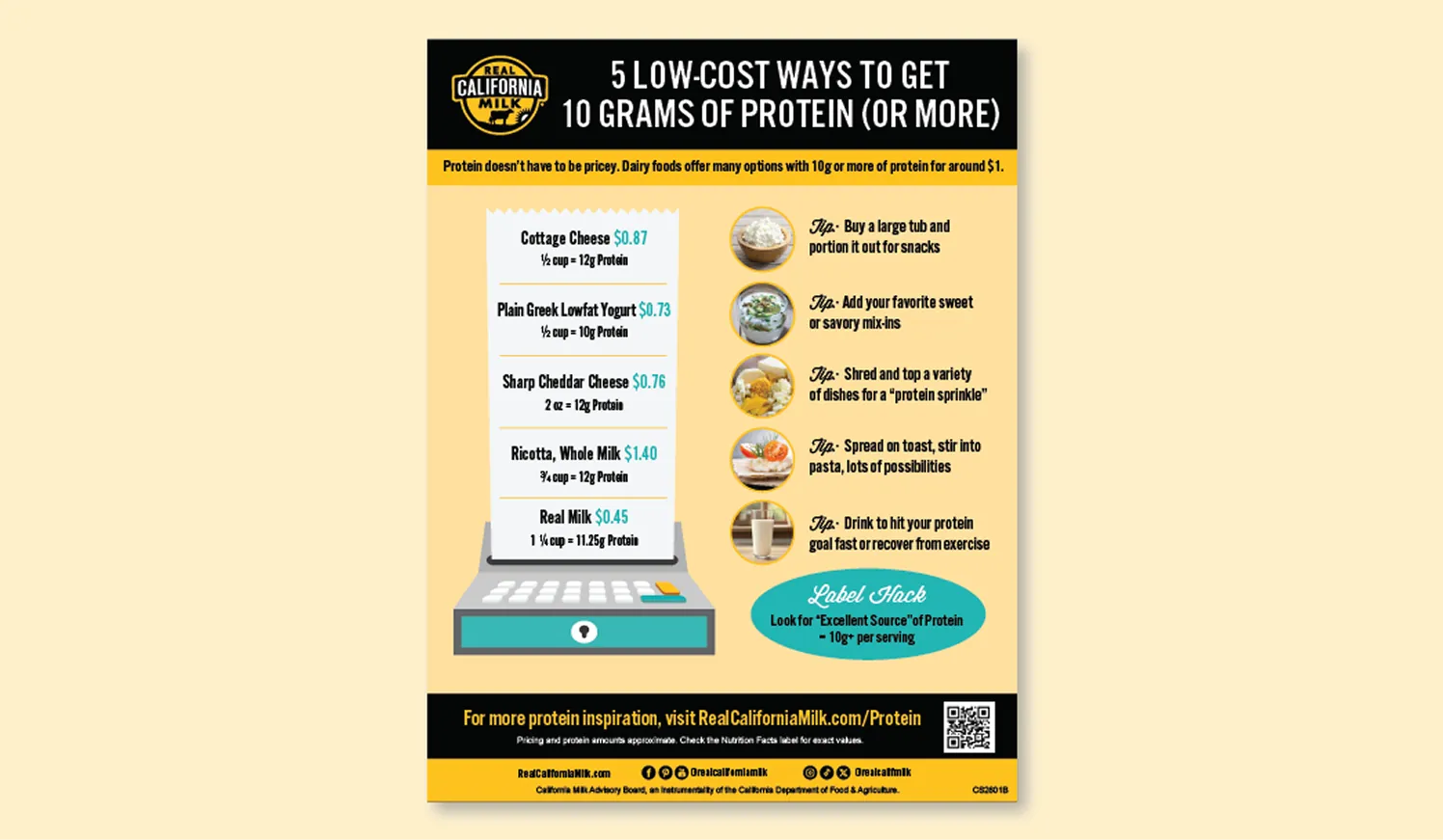
High Protein, Low Cost: Why Dairy Rules the Muscle Building Game
The Healthy Eating Table
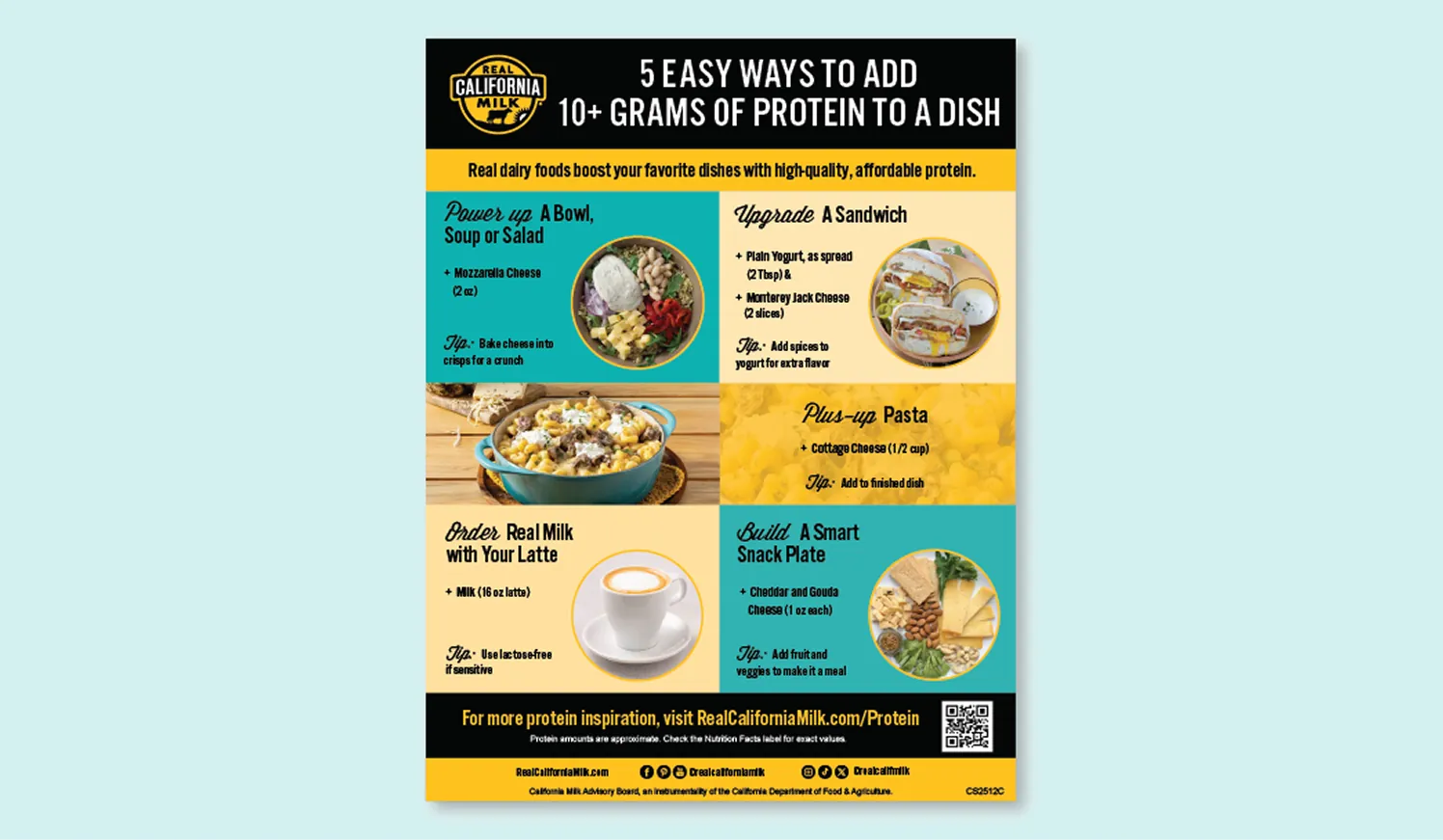
10 Easy Ways to Pump Up the Protein
Sources and References
  • Protein Quality Guide. American Dairy Products Institute website. https://adpi.org/wp-content/uploads/2025/07/ADPI-Protein-Quality-Guide_2025.pdf. Accessed January 25, 2026.
  • How much protein do I need? American Dairy Products Institute website. https://acrobat.adobe.com/id/urn:aaid:sc:US:a79f43c8-bf01-4b42-83fb-0a02e8fe1426. Accessed January 25, 2026.
  • How much protein is right for me? International Protein Board website. https://www.internationalproteinboard.org/post/how-much-protein-is-right-for-me. Accessed January 25, 2026.
  • Adhikari S, Schop M, de Boer IJM, Huppertz T. Protein quality in perspective: A review of protein quality metrics and their applications. Nutrients. 2022;14(5):947.
  • Boye J, Wijesinha-Bettoni R, Burlingame B. Protein quality evaluation twenty years after the introduction of the protein digestibility corrected amino acid score method. Br J Nutr. 2012;108(Suppl 2):S183-S211.
  • Wolfe RR, Church DD, Ferrando AA, Moughan PJ. Consideration of the role of protein quality in determining dietary protein recommendations. Front Nutr. 2024;11:1389664.
  • van Vliet S, Burd NA, van Loon LJC. The skeletal muscle anabolic response to plant- versus animal-based protein consumption. J Nutr. 2015;145(9):1981-1991.
  • Food and Agriculture Organization of the United Nations. Dietary Protein Quality Evaluation in Human Nutrition: Report of an FAO Expert Consultation. FAO Food and Nutrition Paper 92. Rome, Italy: Food and Agriculture Organization of the United Nations; 2013.
  • Phillips SM. Current concepts and unresolved questions in dietary protein requirements and supplements in adults. Front Nutr. 2017;4:13.
  • Pasiakos SM, Margolis LM, Orr JS. Optimized dietary strategies to protect skeletal muscle mass during periods of unavoidable energy deficit. FASEB J. 2015;29(4):1136-42.
  • Wolfe RR, Miller SL. The recommended dietary allowance of protein: a misunderstood concept. JAMA. 2008;299(24):2891-2893.
  • Rodriguez NR, Miller SL. Effective translation of current dietary guidance: understanding and communicating the concepts of minimal and optimal levels of dietary protein. Am J Clin Nutr. 2015;101(6):1353S-1358S.
  • National Academies of Sciences, Engineering, and Medicine. Dietary Reference Intakes for Energy, Carbohydrate, Fiber, Fat, Fatty Acids, Cholesterol, Protein, and Amino Acids (Macronutrients). Washington, DC: National Academies Press; 2005. doi:10.17226/10490.
  • Thomas DT, Erdman KA, Burke LM. Position of the Academy of Nutrition and Dietetics, Dietitians of Canada, and the American College of Sports Medicine: Nutrition and athletic performance. J Acad Nutr Diet. 2016;116(3):501-528.
  • U.S. Department of Agriculture, Agricultural Research Service. FoodData Central. Accessed October 13, 2020. Available at: https://fdc.nal.usda.gov/index.html
  • Drewnowski A. Perspective: Milk and dairy provide affordable high-quality protein and merit inclusion in the protein foods group. Curr Dev Nutr. 2025;9:104539.
  • Cifelli CJ, Auestad N, Fulgoni VL III. Replacing the nutrients in dairy foods with non-dairy foods will increase cost, energy intake and require large amounts of food: National Health and Nutrition Examination Survey 2011-2014. Public Health Nutr. 2020;25(2):332-343.
  • Mozaffarian D, et al. Nutritional priorities to support GLP-1 therapy for obesity: A joint Advisory from the American College of Lifestyle Medicine, the American Society for Nutrition, the Obesity Medicine Association, and The Obesity Society. Obesity. 2025;33(8):1475-1503.
  • How much protein does my child need? CHOC website. https://health.choc.org/how-much-protein-does-my-child-need/. Published July 1, 2021. Accessed January 25, 2026.
  • Bauer J, et al. Evidence-based recommendations for optimal dietary protein intake in older people: A position paper from the PROT-AGE Study Group. J Am Med Dir Assoc. 2013;14(8):542-59.
  • *Source: International Protein Board. Protein estimates based on 100-pound individual. These numbers are intake goals often used in research and clinical practice, not one-size-fits-all requirements. Your needs depend on body size, age, activity level, and goals. The adult RDA for protein is 0.36 grams per pound of body weight per day (a minimum to meet basic needs for most people), while higher intakes are commonly recommended for preserving or building lean mass, supporting training, and during weight loss or healthy aging.
    • Use the International Protein Board calculator available here to calculate how many grams of protein you need.
    • Body weight entered should be your current goal or short-term goal for practical and sensible changes in body weight.
    • This tool is based on data provided by the International Protein Board. It is intended for informational purposes only and is not a substitute for professional medical advice from a qualified healthcare provider.
    • Protein recommendations should not exceed 35% of the total daily calories. These estimates may not be appropriate for pregnant and nursing women. You should always speak with your doctor or other qualified healthcare provider before you start or change any weight management or physical activity plan.
close